
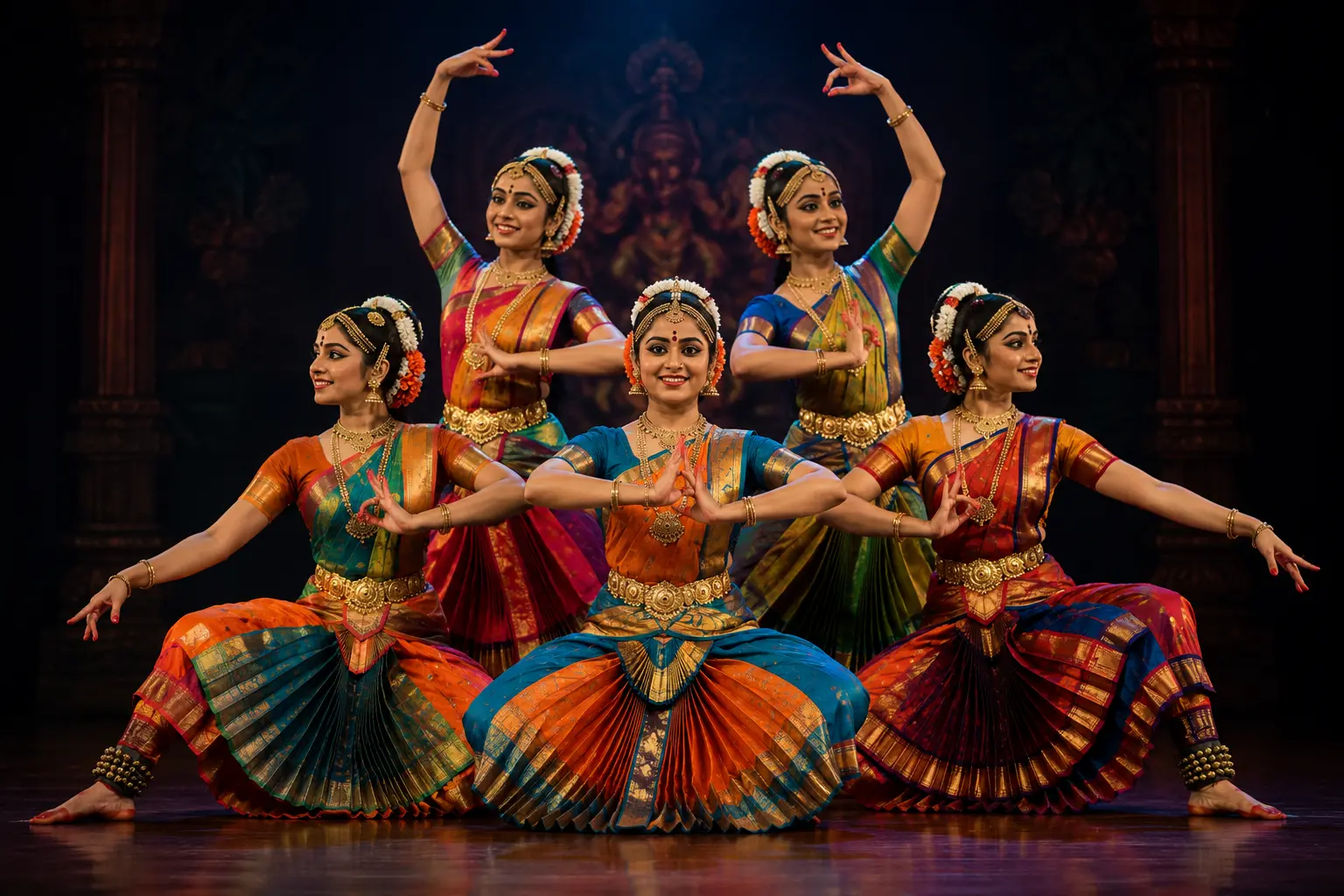
How to Choose the Right Indian Classical Dance Style for You ?
Choosing the right Indian classical dance style is the first step toward a rewarding journey of art, culture, and self-expression. Whether you’re exploring classical dance classes for your child, yourself, or a family member, understanding the unique qualities of each dance form can help you make an informed decision. Every style has its own history, techniques, and traditions, offering a meaningful learning experience for students of all ages.
Understanding Indian Classical Dance
Indian classical dance is a beautiful blend of rhythm, storytelling, music, and expression. Rooted in centuries-old traditions, these dance forms preserve India’s rich cultural heritage while helping students develop discipline, confidence, creativity, coordination, and physical fitness.
Each classical dance style has its own unique identity, making it worthwhile to explore your options before choosing the one that best suits your interests and goals.
Explore the Different Classical Dance Styles
Bharatanatyam
One of India’s oldest and most celebrated classical dance forms, Bharatanatyam is renowned for its graceful movements, precise footwork, expressive storytelling (abhinaya), and intricate rhythmic patterns. Rooted in the ancient temples of Tamil Nadu, it offers a rewarding learning experience for beginners and experienced dancers alike while fostering discipline, confidence, creativity, and a deeper appreciation for India’s rich cultural heritage.
Kathak
Kathak is known for its elegant spins, intricate footwork, expressive gestures, and storytelling through music. Its energetic yet graceful style makes it an excellent choice for students who enjoy rhythm, expression, and dynamic stage performances.
Kuchipudi
Originating from Andhra Pradesh, Kuchipudi is one of India’s most celebrated classical dance forms, known for its dynamic movements, rhythmic footwork, expressive storytelling, and vibrant stage presence. Blending dance, music, and drama, it helps students develop confidence, discipline, creativity, and a deeper appreciation for India’s rich cultural heritage.
Mohiniyattam
Mohiniyattam is one of Kerala’s major classical dance forms, celebrated for its soft, flowing movements, graceful expressions, and expressive storytelling. Often called the dance of feminine grace, it nurtures balance, discipline, creativity, and a deep appreciation for Kerala’s rich cultural heritage.
Odissi
Odissi is admired for its fluid body movements, sculptural poses, and devotional themes. Its graceful style combines expressive storytelling with rhythmic precision, making it one of India’s most artistic and visually captivating classical dance forms.
Consider Your Goals
Before choosing a classical dance class, consider what you or your child hope to achieve through learning.
Your goals may include:
- Learning a traditional Indian art form
- Building confidence and discipline
- Improving flexibility, coordination, and fitness
- Performing in cultural events and stage programs
- Staying connected to Indian cultural heritage
- Pursuing advanced or professional dance training
Understanding your purpose will help you choose the dance style that best matches your interests and aspirations.
Choose a Style That Matches Your Personality
Every classical dance form offers a unique learning experience. Parents can consider their child’s interests and personality, while adult learners can choose a style that aligns with their own goals and preferences.
Watching live performances, exploring videos, or attending a trial class can help you discover which dance style inspires you the most.
If you’re looking for the right Bharatanatyam classes for your child, our detailed parent’s guide can help you make an informed decision.
Find the Right Classical Dance Academy
Choosing the right classical dance academy is just as important as selecting the dance style. Look for experienced instructors, a structured curriculum, regular practice sessions, and opportunities to perform on stage.
A positive and supportive learning environment helps students build strong technical skills while developing confidence, discipline, and artistic expression.
Learning Indian Classical Dance at Bharathanjali
If you’re looking for Indian classical dance classes in Abu Dhabi, Bharathanjali Classical Dance Training Centre offers structured training for students of all ages, including children, teenagers, and adults. The academy provides professional instruction in Bharatanatyam, Mohiniyattam, and Kuchipudi through both online and offline classes, preserving the rich traditions of Indian classical dance.
Led by Smt. Priya Manoj, a highly experienced Malayali classical dance teacher and performer, Bharathanjali focuses on building a strong foundation in technique, expression, rhythm, and performance. Students receive personalized guidance in a supportive learning environment, with opportunities to participate in cultural programs, stage performances, and Arangetram preparation as they progress in their classical dance journey.
Think About Long-Term Learning
Learning Indian classical dance is more than mastering dance steps—it’s a lifelong journey of discipline, dedication, and personal growth. With consistent practice and expert guidance, students gradually develop confidence, creativity, perseverance, and a deeper appreciation for Indian culture.
The right dance style should inspire a lifelong love for learning while making every stage of the journey enjoyable and fulfilling.
Conclusion
There is no single “best” Indian classical dance style—only the one that best matches your interests, goals, and personality. Explore different dance forms, attend introductory classes, and learn from experienced teachers before making your decision.
Whether you’re enrolling your child in their first dance class or beginning your own classical dance journey, choosing the right dance style and dedicated instructors can make learning enjoyable, meaningful, and rewarding. Indian classical dance offers a lifelong opportunity to grow in confidence, creativity, discipline, and cultural appreciation while becoming part of a timeless artistic tradition.